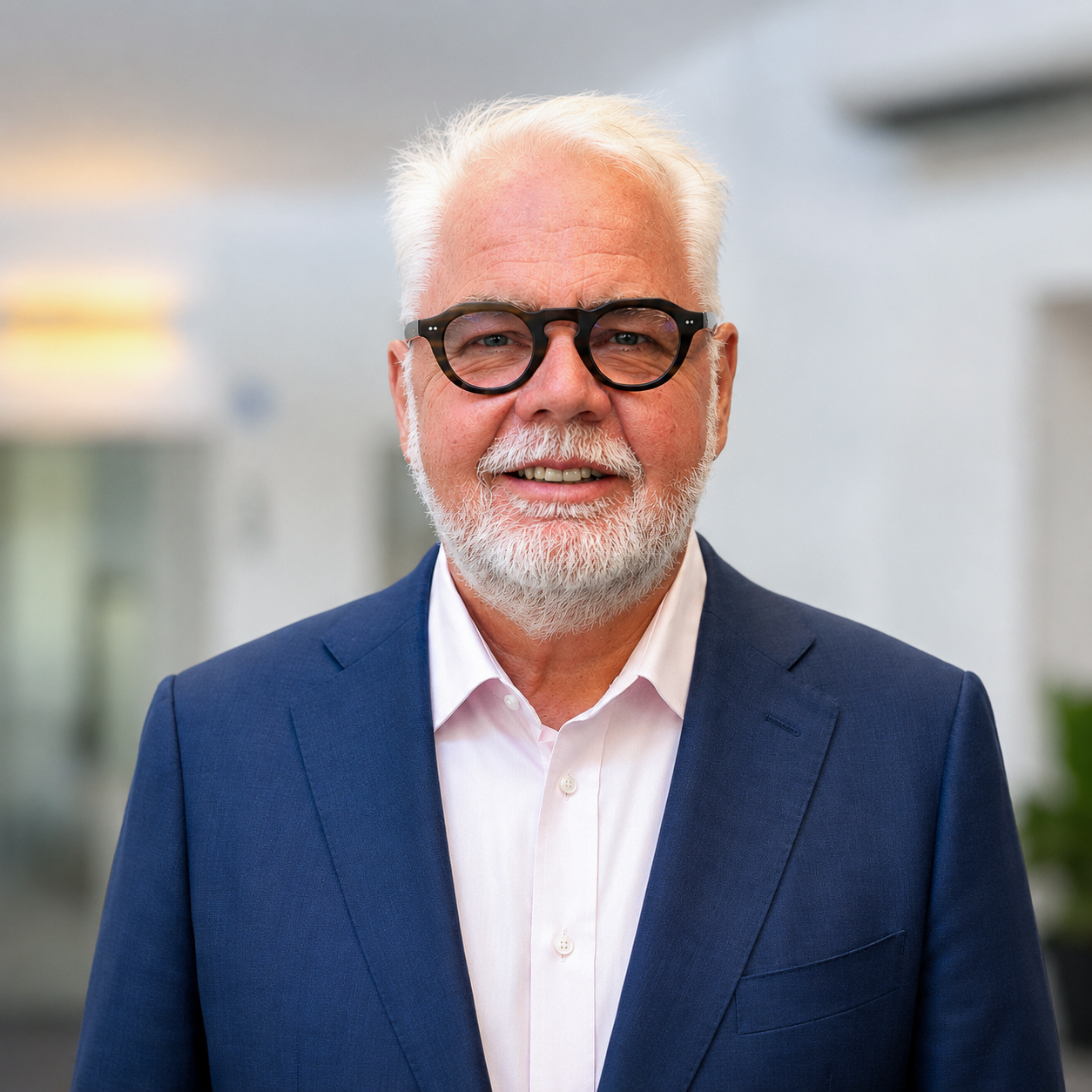
Stephen Rayment
Founder, CEO & Group Managing Director
Systech Law acts for contractors and subcontractors. We are commercially driven and focused: our clients need to be paid, and an award they cannot collect is of no use to them. Arbitration across the Gulf is growing fast, and getting better.
Cases registered by DIAC in 2025; AED 13.9bn in dispute across administered arbitrations.
Rise in SCCA case filings in 2025, to 182; almost half in construction and engineering.
Rise in arbitration rulings reported in 2024.
DIAC’s 2022 rules, the arbitrateAD rules in Abu Dhabi and QICCA’s new rules, in force since January 2025, all provide for expedited procedures, consolidation and emergency arbitrators. Saudi Arabia has a new Arbitration Law in draft, and dispute adjudication boards (DABs) now feature on many major projects.
The biggest weakness is what happens to the assets while the arbitration runs. A counterparty that had plant, property and cash at contract stage can have none by the time the award arrives. The assets may have moved to a related company, a family member or another jurisdiction.
Whilst arbitration is under way, a party may mortgage, charge, sell, gift or restructure its assets. Such transactions can diminish the assets available to satisfy an eventual award. The risk does not necessarily end when the award is made.
In the UAE, contested domestic award enforcement proceedings can take two to four years where the matter is appealed through to the Court of Cassation, with execution taking further time. That is why the route to recovery matters from the outset.
Asset visibility. It can be very difficult to establish what a party owns and how much of it is unencumbered.
Pre-award protection. Whilst interim measures may be available before an award, obtaining effective protection can be difficult, particularly where assets are held across different jurisdictions.
Legal uncertainty. The onshore civil law systems generally do not operate on the same system of binding precedent as common law courts, which can add to uncertainty over the outcome.
This is why we advise clients to consider asset protection and enforcement strategy before commencing arbitration in the Middle East. Whilst legal remedies are available to protect assets before an award, obtaining effective relief can be difficult in practice. Without early consideration of these risks, a successful award may ultimately prove difficult to enforce.
UAE. Courts can grant interim measures before or during arbitration, including measures to preserve assets. The DIFC Courts can grant freezing orders before or after an award in appropriate cases. A creditor may also have remedies to challenge a debtor’s transfers, subject to the applicable legal conditions.
KSA. The new Enforcement Law, issued in April 2026 and in force from October 2026, provides for disclosure from certain third parties suspected of assisting a debtor to conceal assets, and penalties for concealing or dissipating assets to evade enforcement.
Qatar. The Judicial Enforcement Law (No. 4 of 2024) provides for precautionary attachment and penalties for hiding or disposing of assets to evade enforcement. These powers are subject to the relevant statutory conditions and procedures.
The availability and effectiveness of these remedies vary by jurisdiction and the stage of proceedings. Recovering assets transferred during an arbitration may require separate legal steps and evidence that is difficult to obtain.
In 2023, 49% of DIAC arbitrations (158 of 323) were recorded as DIFC-seated; in 2024, 51% were seated in onshore Dubai. The DIFC Courts are common law courts within the UAE. They may grant freezing and asset disclosure orders, including worldwide freezing orders in appropriate cases. Dubai Law No. 2 of 2025 also provides for interim measures in support of proceedings outside the DIFC, subject to jurisdictional and other requirements.
The ADGM offers a separate common law framework in Abu Dhabi. Effective protection of assets onshore or in KSA or Qatar may still depend on local courts. A freezing order is not security, and a favourable award is not a guarantee of recovery.
First, record what your counterparty owns at contract stage. Second, take security you can reach, such as guarantees, bonds or retention. Third, consider a DIFC or ADGM seat where appropriate, taking account of where assets are held and the available remedies. Fourth, seek legal advice promptly on appropriate interim measures if there are signs of asset dissipation.
Have you seen assets disappear ahead of an award?
Sources: DIAC annual reports (2024, 2025); SCCA 2025 caseload and 2026 review; Qatar Ministry of Justice, Arbitration Affairs Department (2024 annual report); DLA Piper Middle East LLP, Enforcing arbitration awards in the UAE, Practical Law (0-529-1145); UAE Federal Arbitration Law No. 6 of 2018, arts 18 and 21; Dubai Law No. 2 of 2025, art 15; Saudi Enforcement Law (Royal Decree M/237 of 2026); Qatar Judicial Enforcement Law No. 4 of 2024. This article is general information and is not legal advice.


Systech re-establishes in Singapore with a new Asia-Pacific regional headquarters, led by Ian Huggett as Regional Managing Director, APAC.
<...
The war has disrupted the Gulf’s growth story, not ended it. When the rebuild comes, it will reward the firms that stayed credible and got paid, not those that cu...
SYSTECH
© 2026 Systech International, all rights reserved.